Reduce energy costs with sustainable building, where integrating renewable energy into construction projects is not just an ethical choice but a strategic necessity.
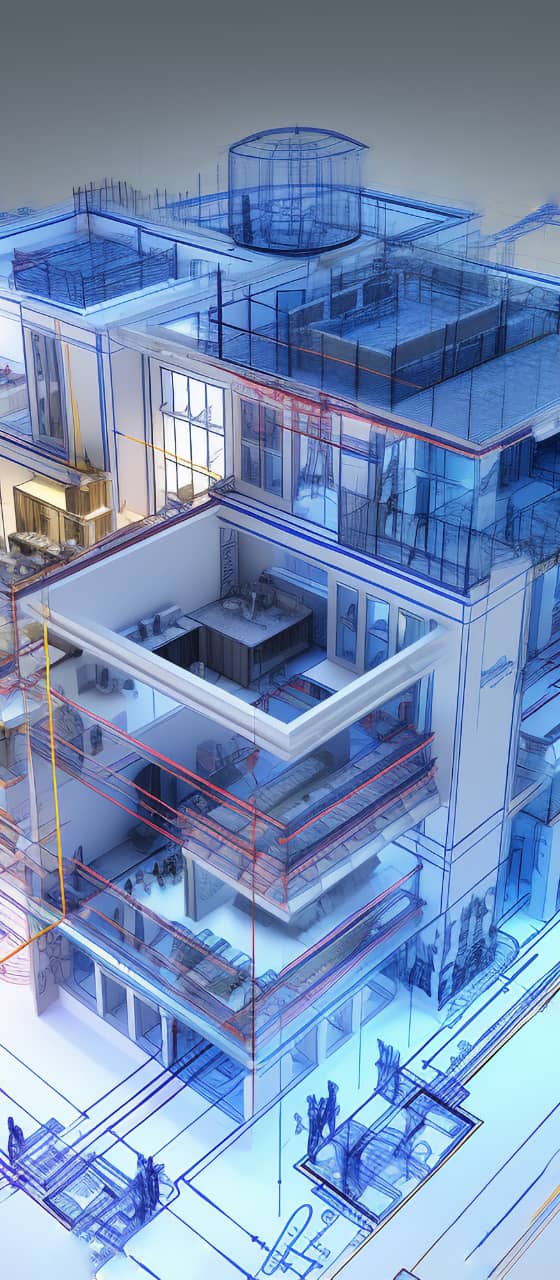
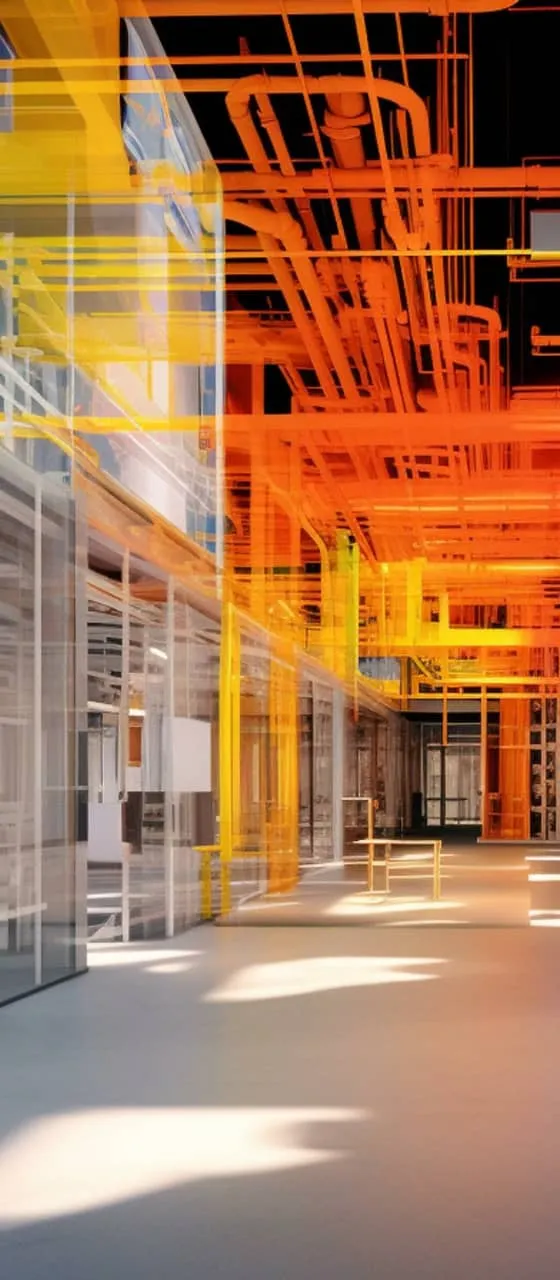
Building Information Modeling (BIM) emerges as a powerful tool for designers and engineers, offering a platform for the effective incorporation of renewable energy solutions from the early stages of design.
Let’s explore together how we at Id BIM, aided by our plant expert colleagues at Id Mep, facilitate the integration of renewable energy into construction projects, promoting the realization of more efficient and sustainable buildings.
The Synergy between BIM and Renewable Energy.
BIM modeling, with its ability to handle complex information in a dynamic and integrated manner, lends itself perfectly to the design and implementation of renewable energy systems.
Through BIM, designers can simulate the energy impact of various solutions, such as solar panels, wind turbines, and geothermal systems, evaluating their efficiency under different construction scenarios.
Reduce operating costs by optimizing energy performance
BIM makes it possible to analyze in detail the orientation of buildings, their shape, and the distribution of interior spaces to maximize energy efficiency.
This approach makes it possible to identify the most suitable solutions for the integration of renewable technologies, such as the optimal location for solar panels or the integration of ventilated facades to improve indoor thermal comfort.
All these actions lead to more sustainable building energy livelihoods with significant economic benefits.
Life cycle analysis
One of the most significant advantages of BIM is the ability to conduct life cycle analyses (LCA) that consider the environmental impact of a building from the beginning to the end of its useful life.
This includes assessing the energy embedded in building materials, the energy consumed during the building’s operation, and potential greenhouse gas emissions.
BIM facilitates the selection of materials and technologies that reduce the building’s overall carbon footprint. 
Advanced energy simulations
The simulation capabilities of BIM make it possible to predict a building’s energy consumption, facilitating the adoption of sustainability-oriented design strategies.
Through BIM, the effectiveness of various renewable energy systems and passive strategies, such as natural lighting and natural ventilation, can be evaluated to reduce the need for electricity and improve occupant comfort.
Integration of complex systems
Implementing renewable energy systems into a construction project can present significant technical challenges, especially when it comes to integrating these technologies into existing buildings or complex designs.
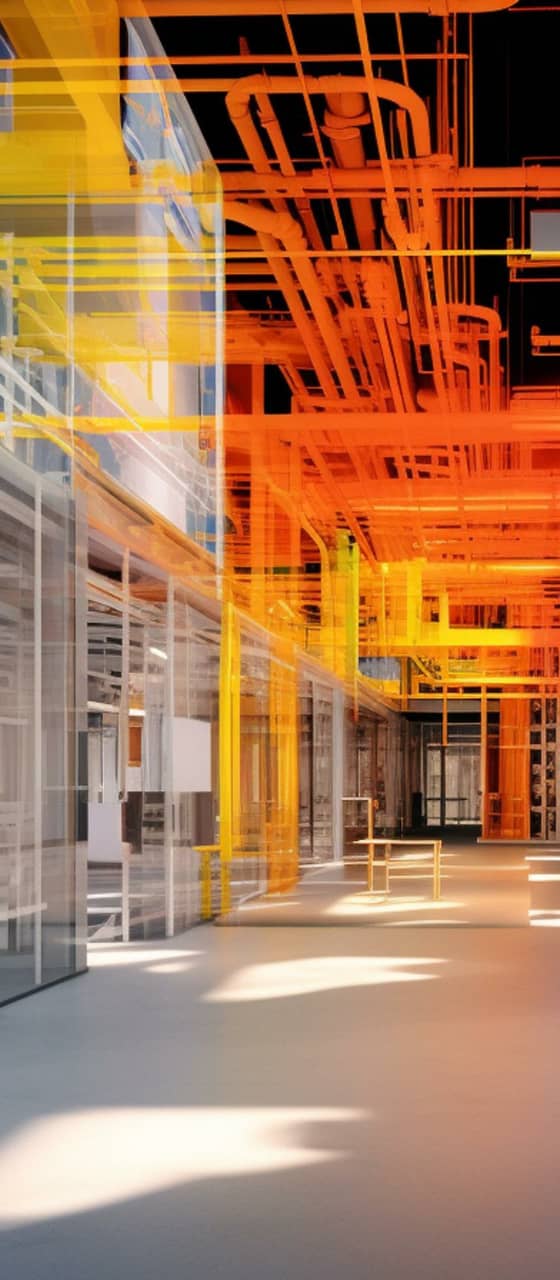
BIM provides a collaborative platform that facilitates coordination among the various specialists involved, from designers to energy engineers, ensuring that all aspects of the energy system are optimized and effectively integrated into the final design.
Toward a sustainable future
The adoption of BIM in construction projects that incorporate renewable energy not only improves the energy efficiency of buildings but also promotes long-term environmental sustainability.
Through detailed planning and analysis, BIM enables projects that not only meet immediate needs but also anticipate future challenges, driving the construction industry toward a greener and more sustainable future.
With its innovative approach and advanced simulation and analysis capabilities to design and construct buildings that not only meet current needs but are also resilient and adaptable to future changes, our team consisting of Id BIM, Id Mep, Id Equo, Id 11, and SiQ is at the forefront of this innovative effort, offering consulting services that integrate BIM technology and renewable energy into construction projects, highlighting our commitment to sustainability and innovation in the AEC industry.
By encouraging the adoption of sustainable practices and the use of renewable energy, the entire corporate Id Group demonstrates how technology and innovation can go hand in hand with environmental protection, shaping a future in which buildings are not just spaces in which to live or work, but active components of a sustainable urban ecosystem.
With BIM as a key tool in our toolbox, we continue to push the boundaries of what is possible, turning challenges into opportunities to create lasting value for our clients and the planet.