A property management BIM archive represents an advanced solution for managing and storing information about buildings and structures.
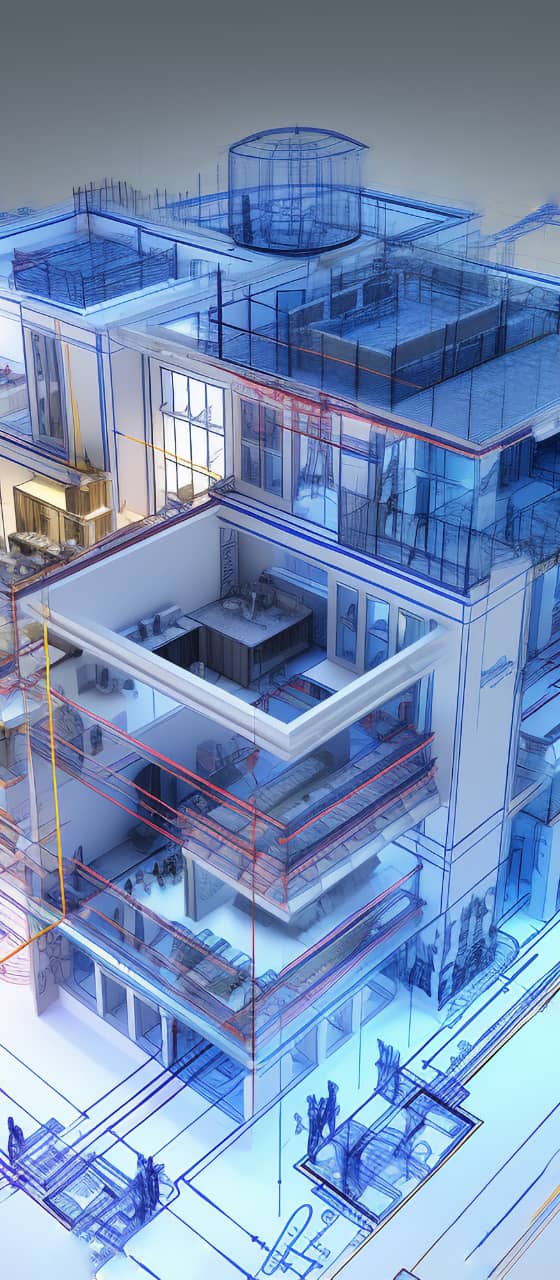
This type of archive leverages the BIM model to create a detailed and dynamic digital representation of a building, including technical, architectural, structural, and facility data.
Here are some of the main advantages and problems that a BIM property management archive can solve:
Advantages of a BIM repository for property management:
- Data Integration
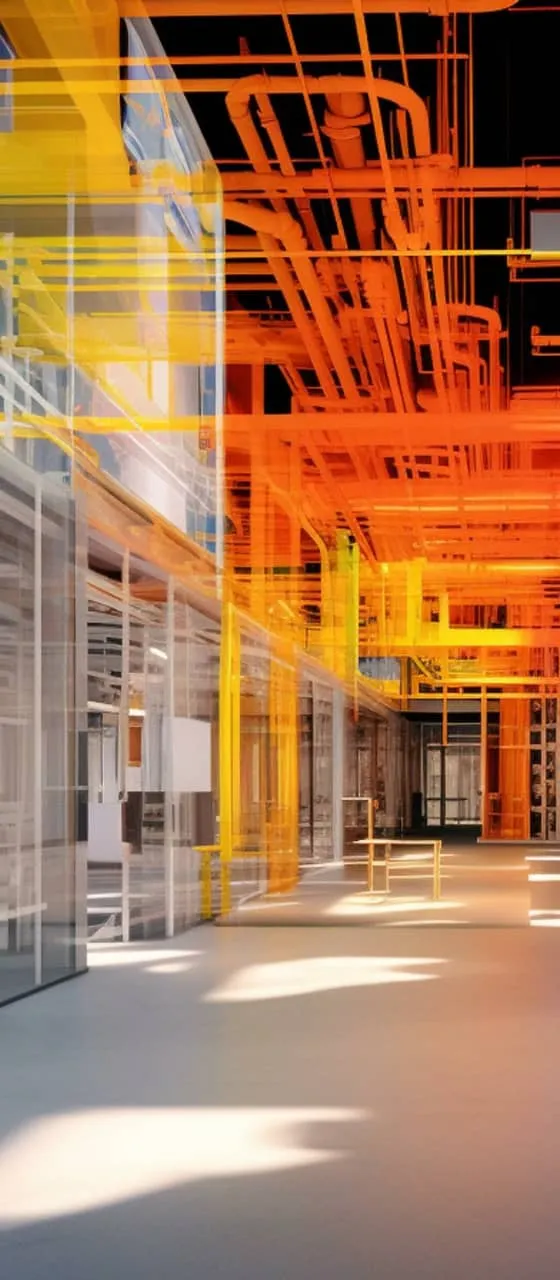
BIM allows information from different disciplines (architecture, engineering, plant engineering, etc.) to be integrated into a single three-dimensional model.
This facilitates the management and updating of building information
- Centralized access
A BIM repository provides centralized access to all information about a property, making it easier for all stakeholders (owners, managers, maintainers, etc.) to consult the data.
- Maintenance efficiency
The BIM model can include detailed information about building components and systems, facilitating the planning and execution of maintenance activities.
Managers can anticipate interventions based on the life cycle of components and improve resource planning
- Building life cycle management
BIM makes it possible to track the entire life cycle of a building, from design and construction to operation and maintenance to demolition or renovation.
This helps maintain accurate and up-to-date documentation
- Regulatory compliance
A BIM repository can include regulations and standards, facilitating compliance with local laws and regulations.
In addition, it can help document changes made to the building for verification and control purposes
- Visualization and analysis
The three-dimensional model and advanced visualization and analysis capabilities enable early identification and resolution of problems, improving quality and reducing operational costs.
What problems are solved by the BIM archive?
- Fragmentation of information
Traditionally, building information can be dispersed among different documents and databases.
A BIM repository centralizes all information, reducing fragmentation and improving efficiency
- Difficulty in updating
Keeping building information up-to-date can be complex.
With BIM, changes can be made to the digital model in real time, ensuring that all users have access to the latest information
- Ineffective communication
BIM improves communication among all stakeholders by providing a common platform for information sharing and coordination of activities
- Poor documentation of changes
A BIM archive automatically records all changes and revisions, providing a detailed record of changes made and responsibilities. A BIM property management repository is a valuable resource for improving building management and maintenance, optimizing operational efficiency, and ensuring regulatory compliance by providing a comprehensive and up-to-date view of facilities.